Greenwashing and Reality
In the interview with Marta Komorowska-Kubicka from Elektrorecykling Polska, you will learn, among other things, how:
- 🔹 Technology and innovation are transforming the plastics market
- 🔹 European Commission directives affect the market
- 🔹 Sustainability affects the image of plastics
- 🔹 Quality and customer trust shape Elektrorecykling Polska's strategy
Anna Konieczna: Elektrorecykling Polska has been on the market for over a decade. How has the secondary raw materials market changed during that time?
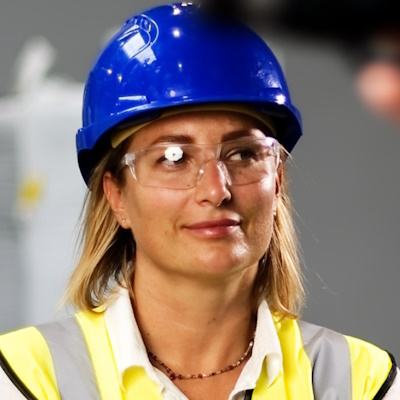
Marta Komorowska-Kubicka:
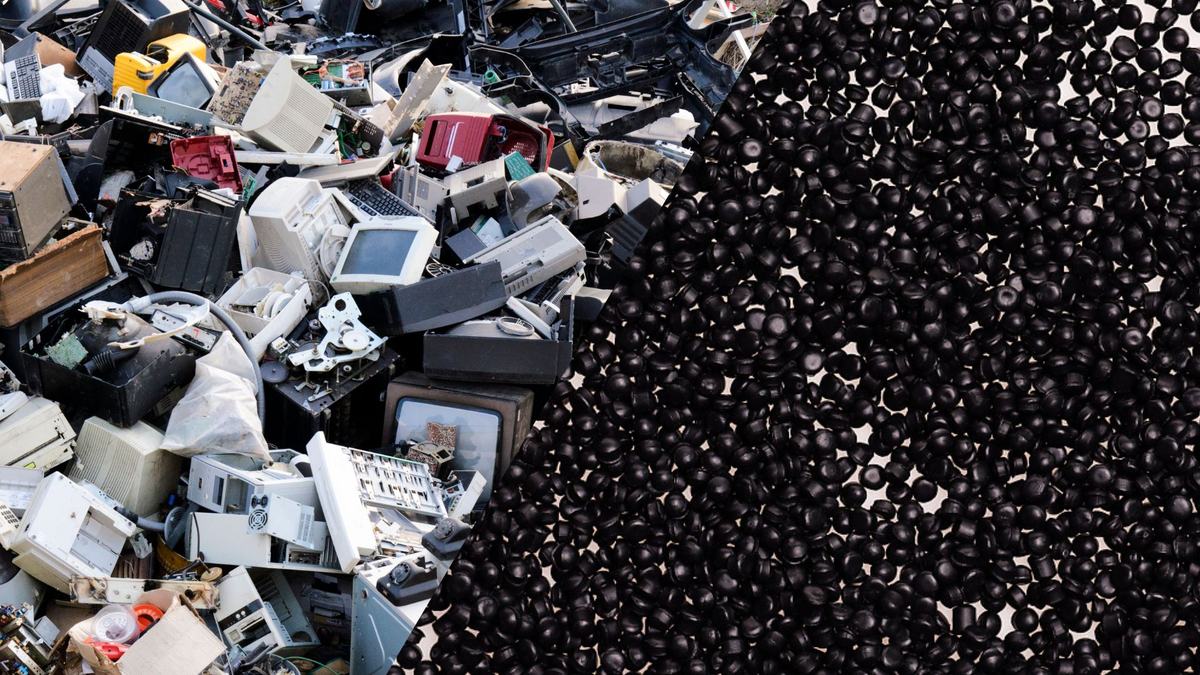
Over the past decade, the secondary raw materials market has evolved considerably, and our company, Elektrorecykling Polska (ERP), has had the honour of playing a key role in this process. When we started, knowledge of secondary raw material processing was virtually absent, both in Poland and throughout Europe. Plastics processors generally used virgin, petroleum-based raw materials. Plastic waste that was not properly managed mainly went to China. With its well-developed plastics blending technology, China was able to supply recycled products to the European market. For Chinese manufacturers, reusing secondary raw materials was the key to lowering production costs. For many years, they therefore supplied the European market with products based on recycled plastics. However, in 2015, the Chinese government banned imports of plastic waste. This decision had a huge impact on the European market. For many years, China had been the main recipient of European plastic waste, which it used for recycling and manufacturing new products. The import ban forced the European Union to seek other solutions for managing plastic waste.
In response to these challenges, the European Union began developing the Circular Economy concept. The aim of this approach is to reduce the consumption of secondary raw materials, promote recycling and material recovery, and create more sustainable production processes. Within this approach, governments and businesses in Europe seek to minimise waste by designing more environmentally friendly products, improving recycling processes and promoting the circular economy. The Circular Economy concept aims to counteract the negative effects of the linear economy, in which raw materials are used once and large amounts of waste are generated. The transition to a circular economy seeks efficient resource use and minimal negative environmental impact.
Elektrorecykling Polska plays a key role in these initiatives, contributing to the development of recycling and plastic waste processing infrastructure in Poland.
Over the years, the secondary raw materials market has gained importance in Poland and throughout Europe. More companies and consumers are paying attention to sustainable practices and waste processing. As a result, the secondary raw materials market is gaining momentum, and ERP is at the forefront of creating a more sustainable and responsible economy.
AK: How do European Commission directives affect the market? Public debate includes claims that neither regranulate manufacturers nor equipment manufacturers are ready for this.
MK: European Commission directives have a significant impact on the market, particularly those concerning environmental protection and sustainable development. Circular economy regulations aim to promote recycling, reduce waste and increase the use of secondary raw materials in production processes.
For Post Consumer Recycling (PCR) granulate manufacturers, who process plastic waste into granulate, European Commission directives can significantly affect market development. Requirements to use recycled raw materials may increase demand for PCR, as manufacturers will be obliged to use these materials in production. Equipment manufacturers may also feel the impact of the directives, particularly requirements concerning ecological and sustainable design. Meeting specific standards and restrictions on hazardous substances may require changes to their production processes and raw material supplies.
However, public debate includes concerns that not all manufacturers are ready for the new requirements arising from the directives. Some may have difficulties adapting their processes, obtaining suitable raw materials or adjusting their products to new standards. Nevertheless, changes to achieve more sustainable production are inevitable, and manufacturers will have to meet the new requirements to remain competitive. The European Commission should therefore support manufacturers in the transition to more sustainable production, for example by preparing a pool of funding that could be awarded for investment in recycling technologies and recycled raw materials. Such support can stimulate recycling market development and help manufacturers adapt to the new requirements.
An example of such market change is the requirement for every electric car to contain 25% Post Consumer Recycling plastics. Such initiatives promote secondary raw material use and may help increase demand for recycled plastics.
Companies such as Electrolux, which are already introducing recycling-based products, show that aware manufacturers recognise changing market trends and seek to respond to consumer demand for more sustainable products. This enables them to stay ahead of competitors.
The European Commission's introduction of directives and regulations aims to promote sustainable development, protect the environment and reduce production's negative impact on the planet. At the same time, manufacturers need appropriate support and encouragement to adapt and invest in sustainable technologies in order to realise the circular market's full potential.
AK: I know your company places strong emphasis on quality control of the materials it offers. Do you still encounter concerns among customers that secondary plastics are perceived as lower quality than virgin plastics?
MK: That is true: some customers may still have concerns about the quality of secondary plastics compared with virgin plastics. In the past, secondary plastics may have had a poorer reputation for quality. However, technological progress and innovation in recycling have considerably improved their quality.
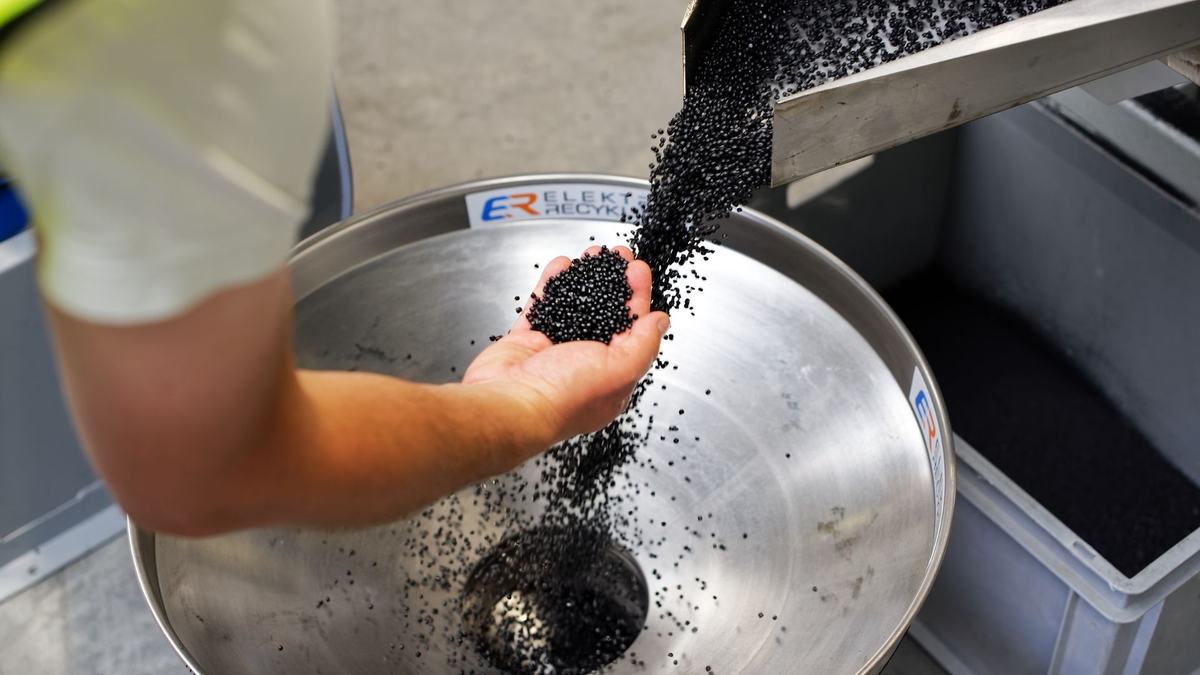
We now use advanced recycling processes that enable us to produce high-quality regranulates and other secondary plastics meeting the requirements of many industries. We also undertake activities such as developing formulations, adjusting colours and parameters to customers' individual needs, and conducting tests including compliance checks against standards such as REACH and ROHS. Our high-class laboratory and quality checks at different production stages, from raw material to final product, are extremely important for building customer trust. All this helps demonstrate that secondary plastics can be as good as virgin materials and provide a credible substitute. One of our greatest achievements is offering PS and ABS granulates that are 100% Post Consumer recycled and certified by Eucert Plast. This can be very attractive to customers in sectors such as automotive, household appliances and construction.
We realise that more companies and consumers are seeking sustainable solutions and are willing to use high-quality secondary plastics. We therefore try to communicate this information to our customers and emphasise the high quality standards our company applies. By continuing these practices and striving to improve quality, we hope to build customer trust and promote secondary plastics as a worthwhile alternative to virgin materials.
AK: This year Elektrorecykling Polska came 5th in the Online Plastics ranking, two places higher than in 2021. What is the key to such dynamic growth?
MK: Our dynamic growth results from a combination of factors contributing to our company's success: an effective management strategy, a professional team and solid customer partnerships. The key to our success and dynamic growth, resulting in fifth place in the Online Plastics ranking, can be reduced to several main elements:
First, the high quality of our products. Our high-quality 100% PCR granulates have gained customer recognition, increasing demand. By supplying products meeting high quality standards, we have built a reputation as a reliable supplier, attracting customers and supporting company growth.
The second element is investment in technology and infrastructure. We invest in modern technologies and upgrade our infrastructure, enabling more efficient and effective plastics production. This increases product quality, productivity and availability, contributing to company growth.
Third, a sustainable approach and growing interest in recycling. Increased environmental awareness and interest in sustainable solutions have contributed to greater demand for secondary plastics. As a recycling specialist, we benefit from this trend and supply products that meet market needs.
Innovation and formulation development are equally important. We conduct research and develop new formulations, enabling secondary plastics with even better properties and applications. Innovation attracts customers seeking novel solutions who have high product expectations.
We also focus on a competent, committed team. Our well-organised, qualified employees effectively manage production, quality and logistics processes, helping improve the company's efficiency and competitiveness.
An effective marketing strategy is also important, of course. Effective marketing activities, such as advertising campaigns, social media presence and participation in industry events, increase brand awareness and attract new customers.
Continual adaptation to changing customer needs is another key element of our success. By continuing to develop and improve our practices, we can maintain market competitiveness and meet customers' growing requirements.
AK: Finally, I would like to discuss sustainability and the image of plastics in the market. What direction does Elektrorecykling Polska intend to take in the near future?
MK: At Elektrorecykling Polska, a supplier of 100% PCR granulates, we have several directions we want to pursue for further sustainable development and to build a positive image of plastics in the market.
The first is investment in research and development. We want to continue improving our regranulates' quality, performance and applications. By developing new formulations and technologies, we can supply plastics meeting ever-higher industry standards.
The second direction is improving recycling processes and investing in modern technologies. Efficiency and increasing the proportion of secondary plastics in production are key to long-term company development and greater appeal to customers seeking sustainable solutions.
The third element is close cooperation with customers and adapting our offering to their needs. Long-term business relationships and customer satisfaction are crucial to us.
The fourth direction is promoting transparency and environmental awareness. By sharing information about recycling processes and environmental benefits, we want to build a positive image and convince customers to choose regranulates.
Last but not least, we engage in social activities and environmental initiatives. We support educational programmes, participate in local environmental initiatives and promote sustainable development in local communities.
Following these paths will enable Elektrorecykling Polska to build an even stronger position as a supplier of 100% PCR granulates. We believe this will contribute to a positive market image of plastics while promoting environmental protection and sustainable development.