Europe's plastics recycling sector in difficulty. Is the market shrinking?
Around 300 thousand businesses currently operate in recycling in Europe. Every month, a small recycler goes out of business. Trends and market conditions indicate a recession, resulting from systemic, legislative and operational challenges. Hopes for stability rest on the new PPWR regulation entering into force in 2026, supporting production of recyclates.
The plastics recycling sector faces many challenges, and overall industry data indicates a slowdown in recycling companies' operations. Contributing factors include insufficient collection, unregulated imports of plastic materials, declining demand for recyclates, high production costs, growing recyclate imports and a lack of enforcement measures.
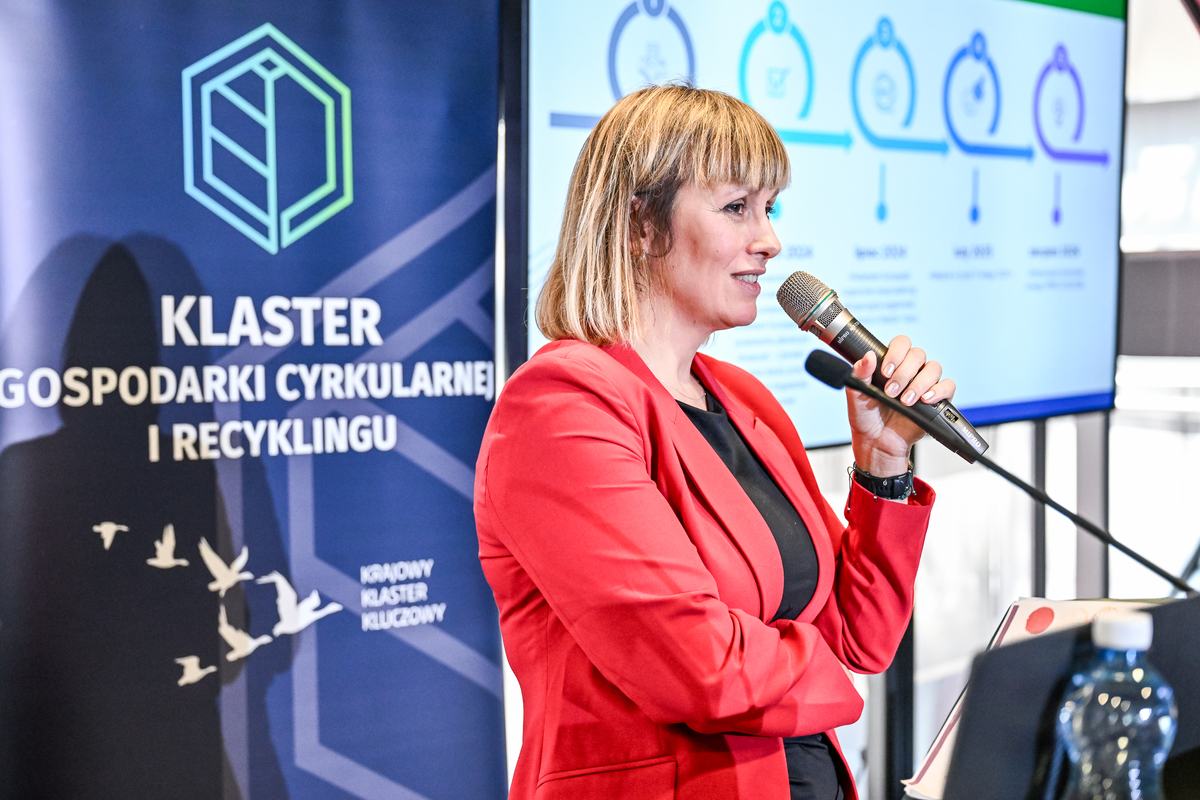
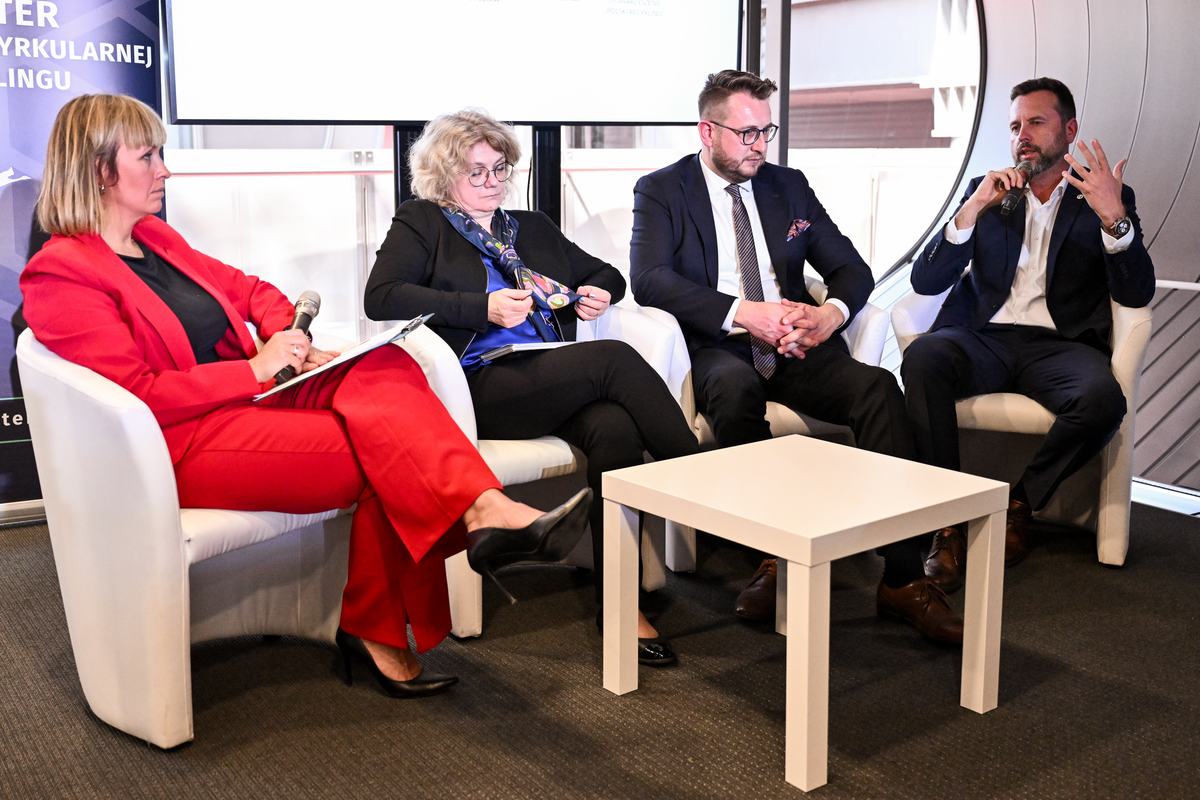
The industry's greatest challenge is the lack of enforcement measures and legislative problems, which hinder the recycling industry's development. The lack of reform is crippling the industry. In 2024, Europe saw a wave of recycling company bankruptcies, emphasised Katarzyna Błachowicz, Vice-President of the Circular Economy and Recycling Cluster, during the conference at the PLASTPOL trade fair.
The discussions presented Plastics Recycling Europe data on Europe's plastics recycling potential: despite processing capacity rising to 13,2 million tonnes in 2024 (+5% versus 2023), production fell in 2021 (-17%) and again in 2023 (-10%). Investment fell from nearly EUR 1 billion in 2022, and in 2023 amounted to EUR 500 million.
Processing capacity does not match demand. It bears no relation to how it could be used, commented Katarzyna Błachowicz.
Recycling is part of the circular economy, but it involves a broad range of technologies and technological processes that can be optimised and used effectively. Interestingly, reaching the target of 10 million tonnes of recyclates by 2025 requires further investment and an increase in capacity to 16 million tonnes. Strengthening demand for recyclates is essential to make full use of existing and new infrastructure.
Measures identified to stimulate the recycled plastics market included quality standards for secondary plastics, encouraging certification to increase industry and consumer trust, mandatory minimum recycled content requirements for certain products, and lower VAT on recycled products.
The expert panel on the plastics recycling market crisis at the PLASTPOL conference included Anna Kozera-Szałkowska of the PlasticsEurope Polska Foundation, Krzysztof Nowosielski of ML Polyolefins and Sławomir Pacek of the Polski Recykling association. The discussion focused on issues including disappearing recycling businesses and uncontrolled inflows of recyclates from Asia, China and Turkey.
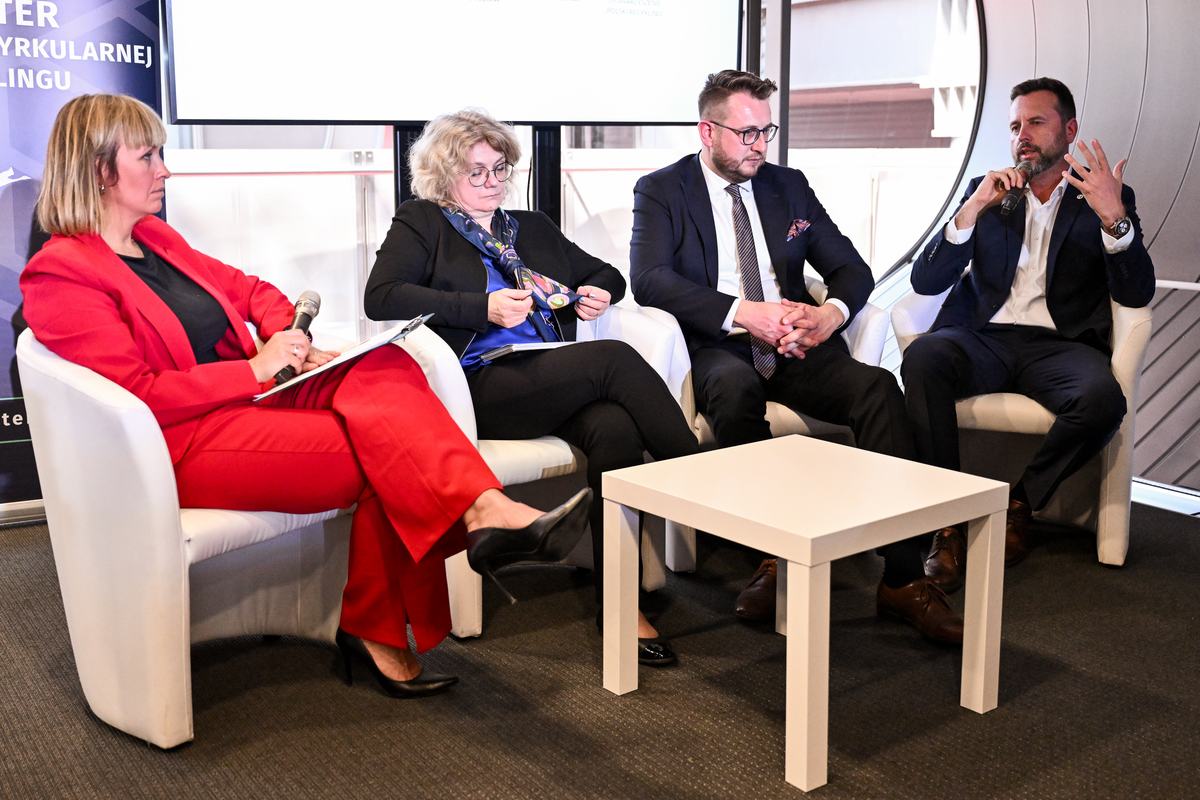
The plastics recycling industry is suffering a crisis. Disappearing recycling companies are a major problem. Every month, a small recycler goes bankrupt. In the European Union, everything depends on economic conditions and an appropriate response by the authorities. The EU's very restrictive policy is a problem. Unfortunately, we are not taking care of our own market for European Union products, said Krzysztof Nowosielski of ML Polyolefins.
The industry's crisis is linked to the economic crisis and is only deepening. As a country, we do not protect our own market. We import recyclates from places such as Asia, China and Turkey that meet certain standards but lack specified certificates. This influx is uncontrolled. These actions do not support domestic businesses, and this affects various sectors, emphasised Sławomir Pacek of the Polski Recykling association.
The discussion also addressed inconsistency in action. As the European Union, on the one hand we focus on environmental protection, creating eco-packaging, for example, while on the other we allow ourselves to be flooded with raw materials, recyclates and products from China, added Sławomir Pacek.
Compared with 2022, total EU plastics production fell markedly by 8,3% to 54 million tonnes. This results partly from geopolitical changes and the war in Ukraine. Production of goods for other sectors has also noticeably declined. Maintaining mechanisms that protect the single market is key to reversing the current negative trends, explained Anna Kozera-Szałkowska of the PlasticsEurope Polska Foundation.
Anna Kozera-Szałkowska added that action should focus on rapid decision-making, strengthening market surveillance mechanisms and addressing integrated permits. In her view, some of this work should be undertaken before the EU Plastics Strategy is announced.
The European recycling sector needs clear regulations and effective protection against unfair market practices. Without these, billions in investment could be lost and an industry that has fought environmental pollution for years could be marginalised. This threatens both EU environmental targets and Europe's raw material security.
Poland more resilient than the rest of Europe
Facing the challenges affecting Europe's plastics industry, Poland stands out as a resilient country. GDP grew in 2024 and forecasts for the coming months are optimistic. The domestic plastics processing sector, comprising over 8500 companies employing 205 thousand people, displays relatively stable performance.
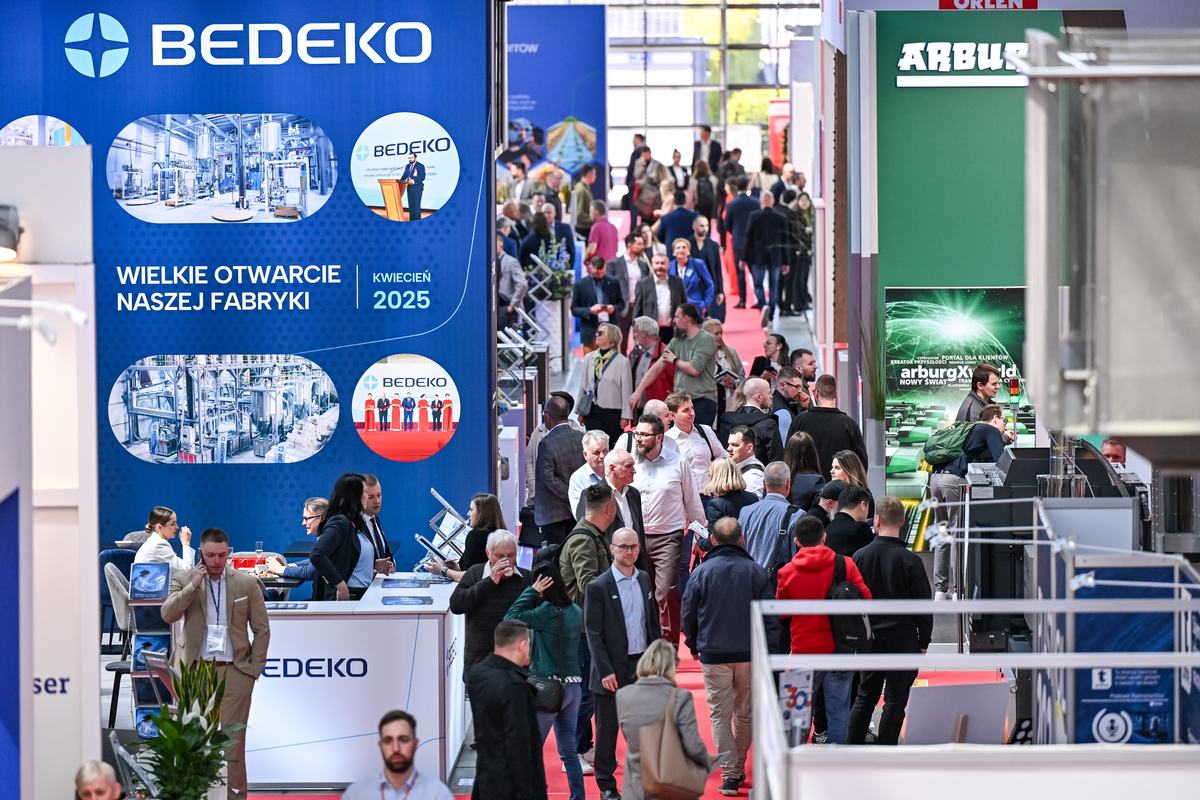
Poland accounts for over 6% of post-consumer recyclates from mechanical and chemical recycling, placing it among Europe's leaders, just behind Germany, Italy and Spain. In plastics packaging, Poland ranks third in Europe with a 12-percent share.
As Europe's third-largest plastics packaging producer, Poland has potential to develop further and strengthen its market position despite the challenges facing the industry across Europe.
More information: https://www.targikielce.pl/plastpol