
Automation Fundamentals: How to prepare processes, maps and documentation before implementing technology (AI, ERP, etc.)
Historical prices and funding conditions are retained from the source. Please confirm the current offer with the Training Coordinator.
Automation Fundamentals:
How to prepare processes, maps and documentation before implementing technology (AI, ERP, etc.)
Duration: 1 day
Training: online and classroom
Level: introductory
The most common reason for failed IT implementations is an unprepared process rather than poor technology. An automated system cannot infer what seems obvious to an employee. Unless you describe the variables, exceptions and precise step-by-step path, you will automate mistakes.
This course provides an instruction manual for processes. We teach a methodical approach to preparing a company for automation. Participants learn standards for creating a Process Map: the common language of business and developers. They learn how to break a task into its components, identify every variable needed for an algorithm to work correctly, and assign responsibility (ownership) at every stage. This is practical knowledge on creating documentation that enables a smooth implementation and reliable automation.
The key message: "You cannot automate what you cannot name, measure and describe."
Training programme:
The Logic of Automation: How does a robot think? Why computers cannot work from assumptions and need precise rules (Rule-Based Approach).
Process Anatomy: Breaking work down into its components. Trigger, Input, Action, Output.
Creating a Process Map (Methodology): How to present a workflow graphically and descriptively. Notation standards that both people and systems can understand.
Variables and Exceptions: Investigating a process. Identifying every possible path (what if data is missing? what if the amount is different?).
People in the Process: Establishing roles and responsibilities at every stage. Who is responsible for input data quality and who supervises the automation?
Process Documentation: How to create a PDD (Process Definition Document). What a description must include so that a developer can implement it without constant questions.
Readiness Audit: Process assessment criteria. When is automation worthwhile, and when is a process too variable?
Competences and skills developed during the course:
How to map processes: Learn a methodology for breaking general tasks down into precise logical steps (procedural algorithms).
How to identify variables: Learn to identify all conditions ("if X, then Y") that automation must account for.
How to create documentation: Learn what a process description for an IT department or implementer should look like (description standards).
How to establish responsibility: Understand the role of the Process Owner and the allocation of responsibility for individual stages (who supplies data and who approves the result).
When a process is ready: Learn the checklist that determines whether a process can already be automated or needs further optimisation.
Training registration:
We use the ClickMeeting platform for registration for all training courses, whatever their format, and to deliver online training.
To register for this course, click a training date. You will be taken to the registration form on ClickMeeting:
Course price:
Standard price: PLN 1 100 net / person
Under the funding programme run by KGCiR, the price of this course until 31.05.2026 or until the programme budget is exhausted is 890 PLN net / person.
The course price includes organisation by a designated training coordinator, delivery by an expert with many years of experience, electronic training materials and an electronic certificate of attendance. For in-person courses, the price also includes printed materials (if required by the trainer), venue hire in central Warsaw, coffee breaks and lunch on training days. *The organiser does not provide accommodation or parking spaces at the training venue.
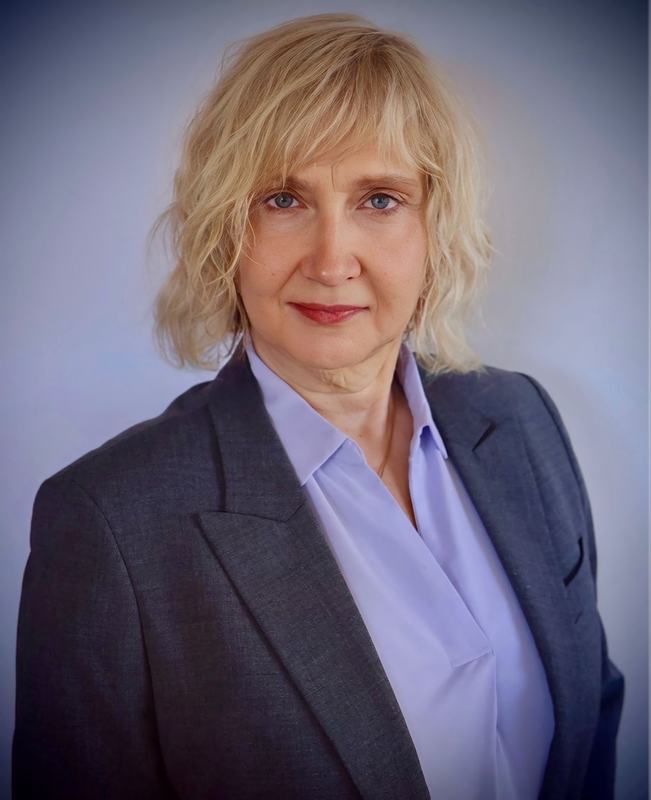
Monika Witowska
A business practitioner, not a theorist. More than 20 years of experience as Chief Financial Officer (CFO) and a Management Board member in international structures. She combines strategic finance with solid operational knowledge.
Transformation experience: she has successfully implemented recovery plans that increased operating profitability. In the training room, she connects operational practice with modern technology. She teaches how to implement a paperless office using AI and Power Automate, and how to build an empowerment culture in which every employee understands their impact on the company's results.
I help companies transform: from data chaos to automated efficiency.
We also offer this course as in-house training.
For a proposal tailored to your needs, please contact the Training Coordinator:
Cluster office +48 533 498 229 , biuro@klastergoz.pl
Media patronage
Training dates
05.03.2026 in person
Past date